1701 Woodfield Rd. Suite 423 Schaumburg, IL 60173


Brain Health & Support in Schaumburg, IL
Your brain influences every part of your daily life, from how clearly you think to how well you manage stress, energy, and performance. Dr. Kenton Anderson works with individuals in and around Schaumburg who want to take an active, informed role in supporting their cognitive function. Whether you are navigating subtle changes such as brain fog or facing more complex neurological challenges, a personalized, functional approach can help you better understand and support your brain health.
Dr. Anderson focuses on the full spectrum of brain health, recognizing that cognitive concerns rarely exist in isolation. By addressing the root causes that may be influencing brain function, his approach is designed to support clarity, resilience, and long-term neurological wellness.
Who Can Benefit from Brain Health Support?
Cognitive health concerns can show up in many different ways and at many different stages of life. Dr. Anderson works with a wide range of individuals who are seeking to optimize or restore their brain function in a thoughtful and proactive way.
This may include professionals who feel mentally drained despite high performance expectations. It may include athletes looking for sharper focus and faster reaction times. Some patients are adapting to early signs of neurodegenerative conditions and want to support their brains as effectively as possible.
Common concerns addressed include:
Persistent brain fog or difficulty concentrating
Memory lapses or slower recall
Mental fatigue and low energy
Reduced focus or productivity
Cognitive changes after injury or illness
Each situation is unique, which is why Dr. Anderson prioritizes individualized care plans rather than one-size-fits-all solutions.
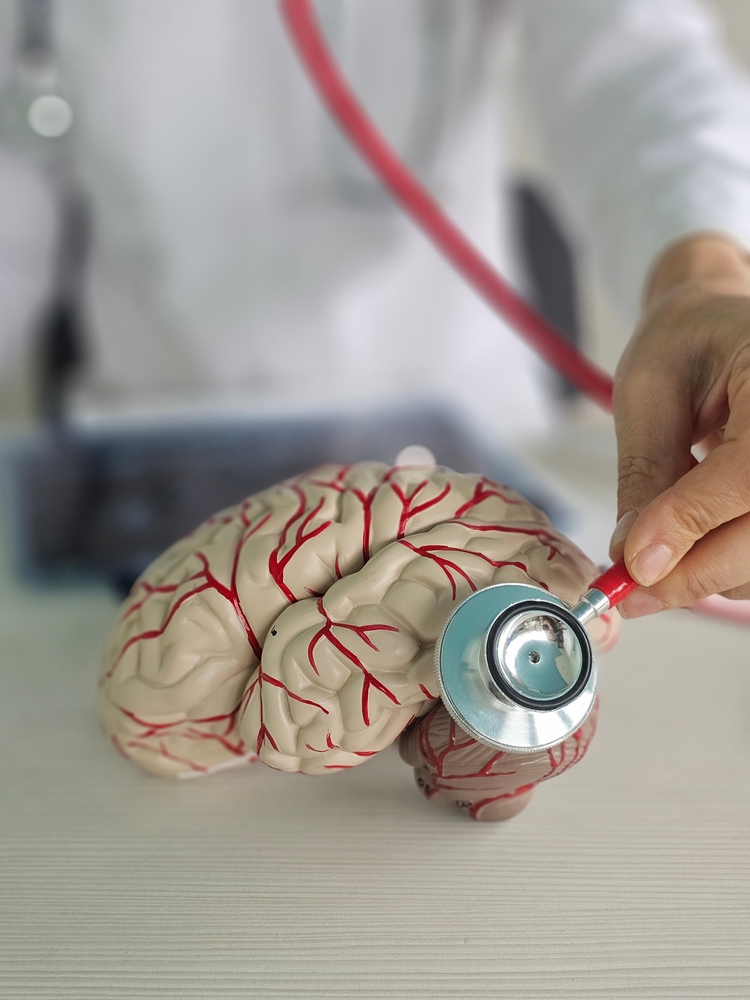

Four Groups of People Who Could Benefit from Functional Brain Support
Cognitive challenges and performance goals can look very different from person to person. Dr. Kenton Anderson works with individuals across a wide spectrum of needs, helping each patient better understand what may be influencing their brain function and how to support it effectively. Whether the goal is optimization, recovery, or long-term protection, care is always personalized to the individual.
Many professionals operate in demanding environments that require sustained focus, decision-making, and productivity. Over time, this level of output can lead to mental fatigue, reduced clarity, and difficulty concentrating. Even those who are highly capable may begin to notice that their cognitive performance is not as consistent as it once was.
Dr. Anderson works with busy executives and professionals to identify factors such as stress load, sleep quality, metabolic health, and nutrient status that may be contributing to burnout or brain fog. By addressing these underlying influences, patients can often experience improved clarity, focus, and mental endurance in their daily work.
Athletic performance is not only physical. Reaction time, focus, coordination, and mental resilience all play a critical role in achieving optimal results. Athletes often seek brain health support to sharpen these cognitive aspects and gain a competitive edge.
Dr. Anderson helps athletes evaluate how nutrition, recovery, inflammation, and neurological balance may be affecting their performance. Supporting brain health in this context can contribute to better focus during training, quicker decision-making, and more efficient recovery between sessions.
Some patients begin to notice gradual shifts in memory, processing speed, or overall cognitive function. These changes can feel concerning, especially when there is a desire to remain independent and mentally sharp over time. Taking a proactive approach during these early stages can be an important step.
Dr. Anderson provides support for individuals who want to better understand potential contributors to cognitive decline. This includes exploring metabolic health, inflammation, hormonal balance, and lifestyle factors that may influence brain function. The goal is to create a plan that supports long-term brain health while respecting each patient’s unique situation.
Cognitive symptoms following a car accident or concussion can persist longer than expected for some individuals. Patients may experience brain fog, difficulty concentrating, memory challenges, or changes in energy levels as they recover. These symptoms can interfere with work, relationships, and overall quality of life.
Dr. Anderson does not specialize in these kinds of brain injuries. However, he may be able to provide neurofeedback training after the individual has followed a recovery protocol. Please reach out to describe your situation and goals.
A Functional Medicine Approach to Brain Health
Dr. Kenton Anderson uses a functional medicine model to explore how different systems in the body influence brain function. Instead of focusing only on symptoms, this approach looks deeper at the underlying imbalances that may be contributing to cognitive concerns.
His brain health programs typically incorporate several key areas:
Daily habits play a major role in cognitive performance and long-term brain health. Stress management, movement, sleep patterns, and environmental exposures are all carefully evaluated. Small, targeted changes in these areas can create meaningful improvements in mental clarity and resilience.
The brain requires a steady supply of nutrients to function properly. Dr. Anderson helps patients understand how their diet may be influencing inflammation, neurotransmitter balance, and cellular energy. Nutrition plans are tailored to support both immediate cognitive performance and long-term neurological health.
Functional neurofeedback helps train the brain to operate more efficiently by providing real-time feedback on brainwave activity. By identifying and addressing unhealthy brainwave patterns, neurofeedback can support focus, memory, mood, stress resilience, sleep quality, and overall cognitive performance. Many people use functional neurofeedback as part of a comprehensive brain health program to encourage better communication between different regions of the brain and promote long-term neurological wellness.
When appropriate, supplements may be used to support brain chemistry, mitochondrial function, and overall neurological balance. These recommendations are personalized and based on each patient’s needs, lab findings, and health history.
Blood sugar regulation, insulin sensitivity, and metabolic efficiency all have a direct impact on brain function. Dr. Anderson evaluates metabolic markers to identify patterns that may be contributing to fatigue, brain fog, or cognitive decline, and then builds strategies to improve these systems.

The Bredesen Protocol | A Powerful Tool Against Cognitive Decline
The Bredesen Protocol is a personalized, systems-based approach designed to support cognitive health by addressing the many factors that can contribute to memory loss, brain fog, and cognitive decline. Rather than focusing on a single symptom or diagnosis, the protocol looks at areas such as inflammation, metabolic health, nutrition, hormone balance, sleep quality, toxin exposure, stress, and cardiovascular function to create a comprehensive wellness strategy.
Care may include advanced testing, nutrition guidance, supplementation, metabolic support, lifestyle changes, and ongoing monitoring to help support cognitive resilience over time. The goal is to create an environment where the brain and body can function more efficiently together.
Brain Health Is a Whole-Body Process
One of the core principles of functional medicine is that the brain does not operate in isolation. Cognitive function is closely tied to the health of multiple systems throughout the body. Dr. Anderson’s approach reflects this interconnected view.
The digestive system plays a significant role in brain health through the gut–brain axis. Imbalances in gut bacteria, inflammation, or poor nutrient absorption can all influence mood, cognition, and clarity. Addressing gut health is often a key step in improving brain function.
Every brain cell depends on efficient energy production to function properly. Mitochondrial health, nutrient status, and oxidative stress all influence how well your brain can perform. Supporting cellular energy can help improve both mental stamina and clarity.
Healthy blood flow is essential for delivering oxygen and nutrients to the brain. Circulatory health impacts everything from focus to memory. Dr. Anderson evaluates cardiovascular factors to ensure the brain is receiving the support it needs.
Hormones play a critical role in regulating mood, cognition, and energy levels. Imbalances in thyroid hormones, cortisol, or sex hormones can contribute to brain fog, fatigue, and difficulty concentrating. Addressing these imbalances can be an important part of cognitive support.
Chronic inflammation can affect brain function over time, sometimes contributing to cognitive decline or neurological symptoms. Dr. Anderson looks for sources of inflammation within the body and works to reduce immune system dysregulation where possible.
Sleep is when the brain performs essential repair and detoxification processes. Poor sleep quality or disrupted sleep cycles can significantly impact cognitive performance. Optimizing sleep is often one of the most effective ways to support brain health.

Personalized Care for Complex Cognitive Needs
No two patients experience brain health challenges in the same way. Dr. Anderson takes time to understand each individual’s health history, lifestyle, and goals before developing a care plan. This process may include advanced testing, detailed consultations, and ongoing adjustments to ensure the approach remains effective over time.
Patients are guided through each step with clear explanations and practical strategies. The goal is not only to improve symptoms but also to help patients understand how their body works so they can make informed decisions about their health moving forward.
Supporting Performance, Recovery, and Long-Term Brain Health
Brain health support is not only about addressing problems. It can also be about enhancing performance and protecting cognitive function over time. Many patients seek care to stay sharp, maintain productivity, and support long-term neurological resilience.
Dr. Anderson’s approach can help individuals:
Improve focus and mental clarity
Enhance cognitive endurance and productivity
Support recovery after injury or illness
Maintain brain health as they age
Build sustainable habits for long-term wellness
By focusing on root causes and whole-body health, patients often gain a deeper understanding of how to support their brain in everyday life.
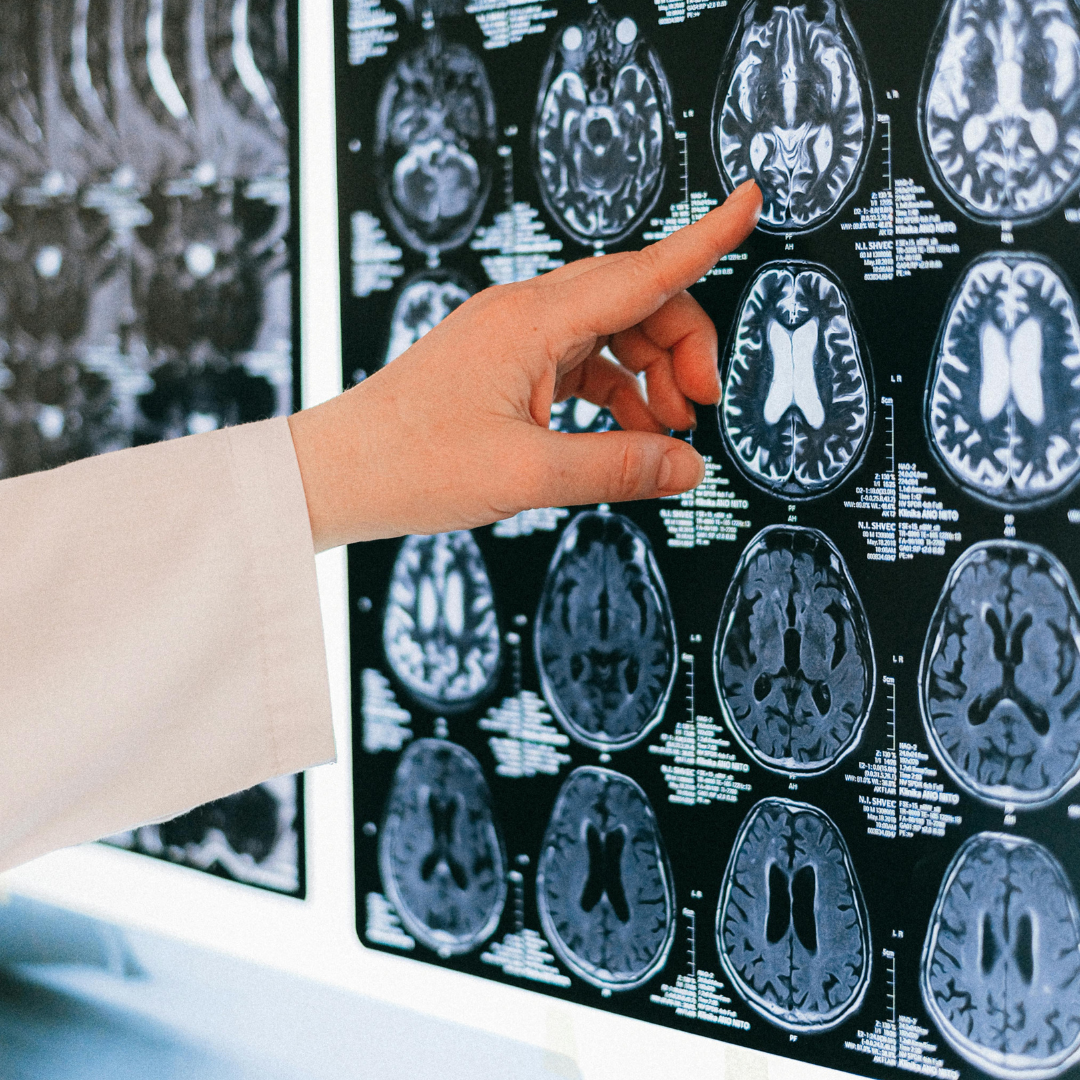
Get Started with Brain Health Support in Schaumburg
If you are experiencing changes in focus, memory, or energy, or if you simply want to take a proactive approach to your cognitive health, support is available. Dr. Kenton Anderson works with patients in and around Schaumburg to develop personalized strategies that align with their goals and lifestyle.
Taking the first step begins with a comprehensive evaluation and a conversation about your concerns and priorities. From there, a tailored plan can be created to support your brain and overall health in a structured and sustainable way.
Your brain is central to how you experience life. With the right support, it is possible to better understand its needs and take meaningful steps toward improved clarity, energy, and long-term function.
Opening Hours:
Monday 9 a.m.–5p.m.
Tuesday 9 a.m.–5p.m.
Wednesday 9a.m.–5p.m.
Thursday 9a.m.–5p.m.
Friday 9a.m.–5p.m.
Saturday By Appointment
Sunday Closed

© 2026 Dr. Kenton Anderson Inc, all rights reserved. Designed with love by Living Brightside Inc.