1701 Woodfield Rd. Suite 423 Schaumburg, IL 60173


Functional & Naturopathic Heart Health Doctor in Schaumburg
Heart disease remains the leading cause of death in the United States. Yet for many people, “heart care” amounts to a brief conversation about cholesterol numbers and a prescription refill.
The truth is, you deserve more than a five-minute discussion and a lab slip.
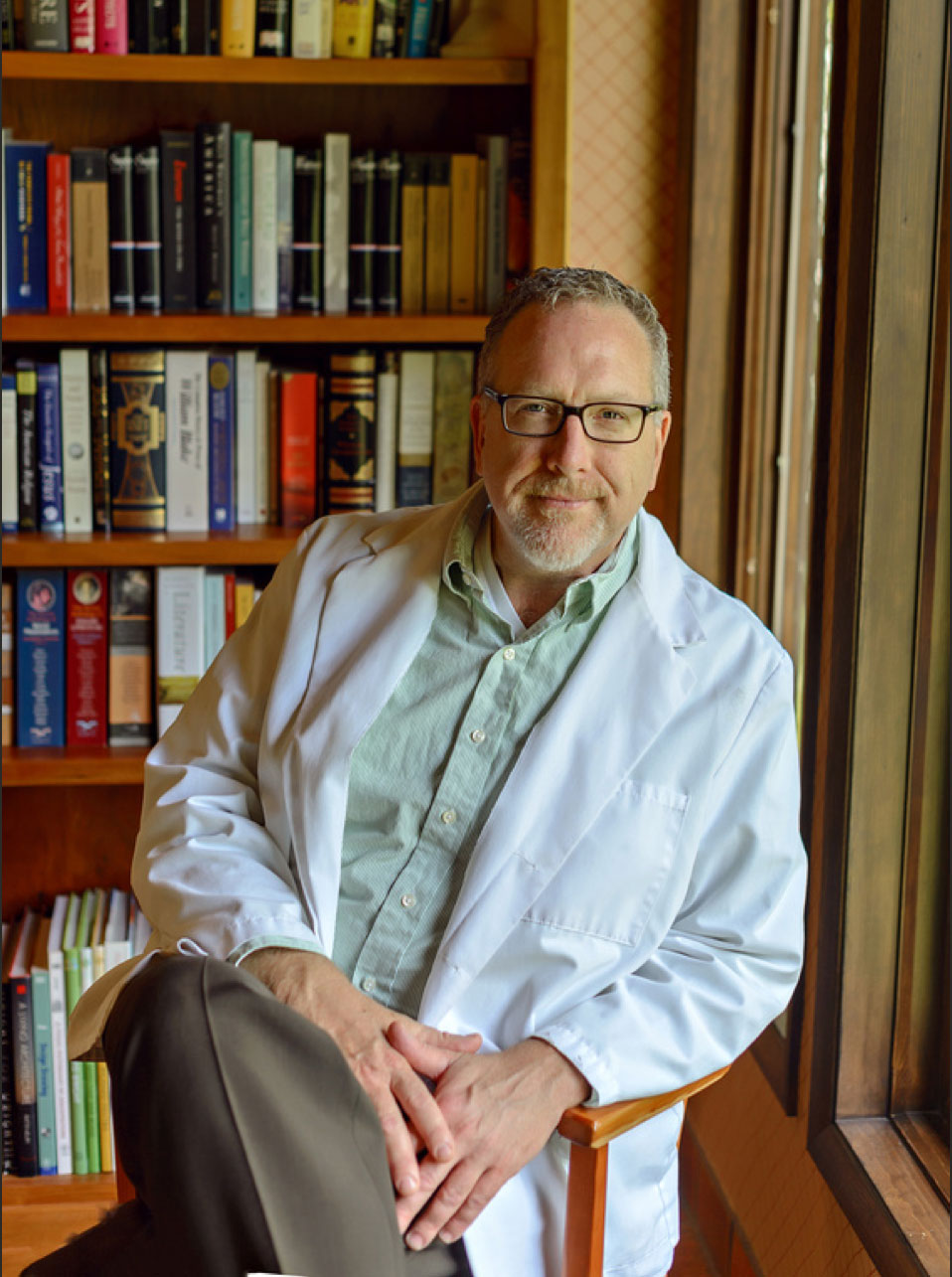
At Dr. Kenton Anderson’s practice in Schaumburg, heart health is not reduced to a single biomarker. It is understood as the product of your metabolism, inflammation levels, hormones, genetics, stress chemistry, gut function, lifestyle habits, and environmental exposures.
If you’re looking for a proactive, root-cause approach to heart health, you’re at the right place.
Dr. Anderson Targets Six Common Drivers of Heart Disease
As a naturopathic heart health doctor, Dr. Anderson knows that heart disease does not appear overnight. It develops over years, and most people don’t notice until it’s too late. Here are six of the most common drivers Dr. Anderson evaluates in his Schaumburg patients:
Inflammation damages the inner lining of blood vessels, making them more vulnerable to plaque buildup. High-sensitivity CRP and other inflammatory markers often reveal risk long before symptoms appear.
Persistent low-grade inflammation may be fueled by poor diet, chronic stress, gut imbalances, autoimmune activity, or environmental toxins.
Blood sugar instability is one of the strongest predictors of cardiovascular disease. Elevated insulin levels contribute to arterial stiffness, triglyceride elevation, and inflammatory signaling.
Many patients have normal fasting glucose but underlying metabolic dysfunction. Dr. Anderson evaluates deeper markers such as fasting insulin, A1C, triglyceride-to-HDL ratio, and metabolic patterns.
Oxidative stress damages LDL particles, making them more likely to become atherosclerotic plaque. This process is influenced by nutrient deficiencies, toxin exposure, mitochondrial dysfunction, and poor recovery habits.
Functional medicine supports antioxidant systems and mitochondrial resilience rather than simply reacting to plaque formation.
Testosterone, estrogen, cortisol, thyroid hormones, and DHEA all influence cardiovascular health. For example…
- Low testosterone in men may increase metabolic risk
- Estrogen decline during menopause alters lipid metabolism
- Chronic cortisol elevation increases blood pressure
Hormonal evaluation is often overlooked in standard cardiology — but it is central to whole-body heart care.
Emerging research shows the gut microbiome influences cardiovascular risk through inflammatory pathways and metabolites such as TMAO.
Poor gut integrity can increase systemic inflammation, which directly impacts vascular health. Dr. Anderson evaluates digestion, absorption, and microbiome patterns when indicated.
Genetics loads the gun, but environment pulls the trigger.
Family history of heart disease, elevated lipoprotein(a), or certain inflammatory gene variants may increase risk. But genetics is not destiny.
At his Schaumburg clinic, Dr. Anderson uses genetic insights alongside lifestyle and lab data to create precision prevention strategies tailored to you.

What Happens When Heart Health Is Ignored
The heart is remarkably resilient, but it is not invincible.
When early warning signs are ignored, the consequences can include the following:
- Atherosclerosis (plaque buildup)
- High blood pressure
- Arrhythmias
- Coronary artery disease
- Heart attack
- Stroke
- Peripheral artery disease
- Heart failure
Beyond life-threatening events, poor cardiovascular health can also lead to chronic fatigue, cognitive decline, erectile dysfunction, and reduced exercise tolerance. Your heart supplies oxygen and nutrients to every organ. When circulation dips, the entire body feels it.
Experience a Whole-Body Functional Medicine Approach to Heart Health
At Dr. Anderson’s Schaumburg practice, cardiovascular care is personalized and comprehensive. You already know this. Your doctor has told you that smoking can hurt your heart, but smoking primarily affects the lungs. Your doctor might have mentioned diet changes for heart health, even though diet is primarily a gut issue.
Clearly, we need to address the whole body in order to achieve healthy hearts.
Rather than relying solely on total cholesterol, testing may include the following:
- Advanced lipid panels
- Inflammatory markers
- Fasting insulin and metabolic markers
- Hormone panels
- Thyroid function
- Nutrient levels
- Genetic markers when appropriate
This provides clarity on what is truly driving your risk.
There is no one-size-fits-all heart diet.
Some patients need blood sugar stabilization. Others require inflammation reduction. Others still need gut repair before dietary changes are effective.
Dr. Anderson builds a strategy around your physiology — not generic averages.
Exercise is not just about burning calories. It improves endothelial function, insulin sensitivity, and mitochondrial performance.
Your movement plan is built around your fitness level, cardiovascular capacity, and long-term goals.
Chronic stress elevates cortisol, increases blood pressure, and promotes inflammatory signaling.
Heart health requires nervous system regulation. Sleep optimization, recovery practices, and stress physiology support are essential components of care.
When appropriate, supplementation may support the following areas:
- Mitochondrial energy production
- Nitric oxide pathways
- Antioxidant capacity
- Lipid metabolism
- Vascular elasticity
Supplementation is never random — it is strategic and lab-informed.
Functional medicine is dynamic. Your labs, symptoms, and risk factors evolve over time.
Dr. Anderson monitors progress and adjusts your plan as your body responds.
This is proactive care — not reactive crisis management.
Why Traditional Heart Care Often Falls Short
Conventional care tends to focus on basic markers such as total cholesterol and blood pressure. While those numbers certainly matter, they are often downstream reflections of deeper physiological processes already taking place within the body. Two people can present with identical cholesterol levels yet have vastly different cardiovascular risk profiles.
This is because heart disease is not caused by a single number. It is driven by multiple interconnected systems, including chronic inflammation, insulin resistance, oxidative stress, hormonal imbalance, gut dysfunction, and genetic susceptibility. Each of these factors influences how blood vessels function, how plaque develops, and how resilient the cardiovascular system truly is over time.
Without identifying and addressing these underlying drivers, care often becomes an exercise in managing risk rather than restoring health. Dr. Anderson takes a deeper, more comprehensive approach. He integrates advanced lab testing, symptom patterns, family history, and metabolic markers to build a clear, personalized understanding of your cardiovascular terrain, allowing care to target causes rather than simply reacting to outcomes.


With Functional Medicine, We’re Focused on Prevention and Longevity
Yes, some cardiovascular damage can be improved. Plaque can stabilize. Inflammation can decrease. Metabolic function can be restored.
But the best time to protect your heart is before a crisis occurs.
Functional medicine is built around prevention and longevity. It is about extending not just lifespan, but healthspan.
Your heart health at 70 is influenced by decisions made at 40.
Your energy at 60 depends on metabolic resilience built at 35.
The earlier you begin, the more options you preserve.
Dr. Anderson Treats People — Not Just Numbers
Dr. Anderson does not treat lab values in isolation. He treats the individual sitting in front of him. While biomarkers provide important clues, they are only part of the story. True cardiovascular care requires understanding how those numbers developed and what they mean in the context of your unique biology and life experience.
Your genetics may influence how your body regulates inflammation, processes lipids, and responds to metabolic stress. Understanding these inherited tendencies allows Dr. Anderson to anticipate risk and tailor prevention strategies rather than reacting after disease develops.
Advanced laboratory testing looks beyond standard panels to uncover patterns in metabolism, inflammation, hormone balance, and nutrient status. These deeper insights help identify why changes are occurring in your cardiovascular system, not just that they are happening.
Even subtle symptoms — such as fatigue, brain fog, poor recovery, or exercise intolerance — can be early signals of underlying imbalance. Dr. Anderson evaluates these clues carefully, recognizing that how you feel often reflects physiological changes long before they appear on routine tests.
Daily habits involving nutrition, physical activity, sleep quality, and recovery all shape cardiovascular resilience over time. By evaluating how these factors interact with your biology, care plans can be designed to support sustainable, long-term heart health.
Family history helps identify inherited patterns that may increase susceptibility to heart disease, metabolic dysfunction, or vascular changes. With this knowledge, Dr. Anderson can implement proactive strategies to reduce risk and support healthier outcomes across your lifespan.
Chronic stress directly influences blood pressure, hormone balance, and inflammatory signaling within the body. Understanding how your nervous system responds to stress allows for targeted interventions that protect both cardiovascular and overall health.
Exposure to environmental factors such as toxins, pollutants, or occupational stressors can contribute to oxidative damage and vascular strain. Evaluating these influences ensures they are addressed as part of a comprehensive plan to support cardiovascular wellness.

Get Started with Functional Medicine for Heart Health in Schaumburg
Your heart works for you every second of every day.
It is time to work for it.
If you are in Schaumburg and are ready for a comprehensive, personalized approach to cardiovascular health, schedule your consultation with Dr. Kenton Anderson today.
Functional medicine offers more than cholesterol management.
It offers insight.
It offers prevention.
It offers longevity.
Start today — and give your heart the level of care it deserves.
Opening Hours:
Monday 9 a.m.–5p.m.
Tuesday 9 a.m.–5p.m.
Wednesday 9a.m.–5p.m.
Thursday 9a.m.–5p.m.
Friday 9a.m.–5p.m.
Saturday By Appointment
Sunday Closed

(847) 866-8885 • Dr. Kenton Anderson, ND
© 2026 Dr. Kenton Anderson Inc, all rights reserved. Designed with love by Living Brightside Inc.