1701 Woodfield Rd. Suite 423 Schaumburg, IL 60173


Top Neurofeedback Clinic in Schaumburg
Neuroplasticity is the brain’s remarkable ability to adapt, reorganize, and form new connections throughout life. This means the patterns that shape how you think, feel, focus, and respond to stress are not fixed. With the right support, those pathways can be encouraged toward healthier function.
Neurofeedback uses this principle in a practical, non-invasive way. By giving the brain real-time feedback about its own activity, it begins learning more efficient patterns over time. At Dr. Anderson’s Schaumburg naturopathy practice, neurofeedback is offered as part of a thoughtful, whole-person approach to brain health and wellness.
What Is Neurofeedback?
Neurofeedback is a form of brain training that helps regulate patterns of electrical activity in the nervous system. During a session, sensors placed on the scalp monitor brainwave activity, and the system provides feedback that gently guides the brain toward more balanced function. The process is supportive and does not involve medication or invasive procedures.
Many people explore neurofeedback when they want a natural, individualized way to address symptoms that may be related to stress, attention, sleep, mood, or nervous system regulation. While it is not a cure-all, it is a valuable tool when used within a broader functional medicine plan. At our Schaumburg clinic, neurofeedback is integrated with clinical insight, advanced testing when appropriate, and personalized care.
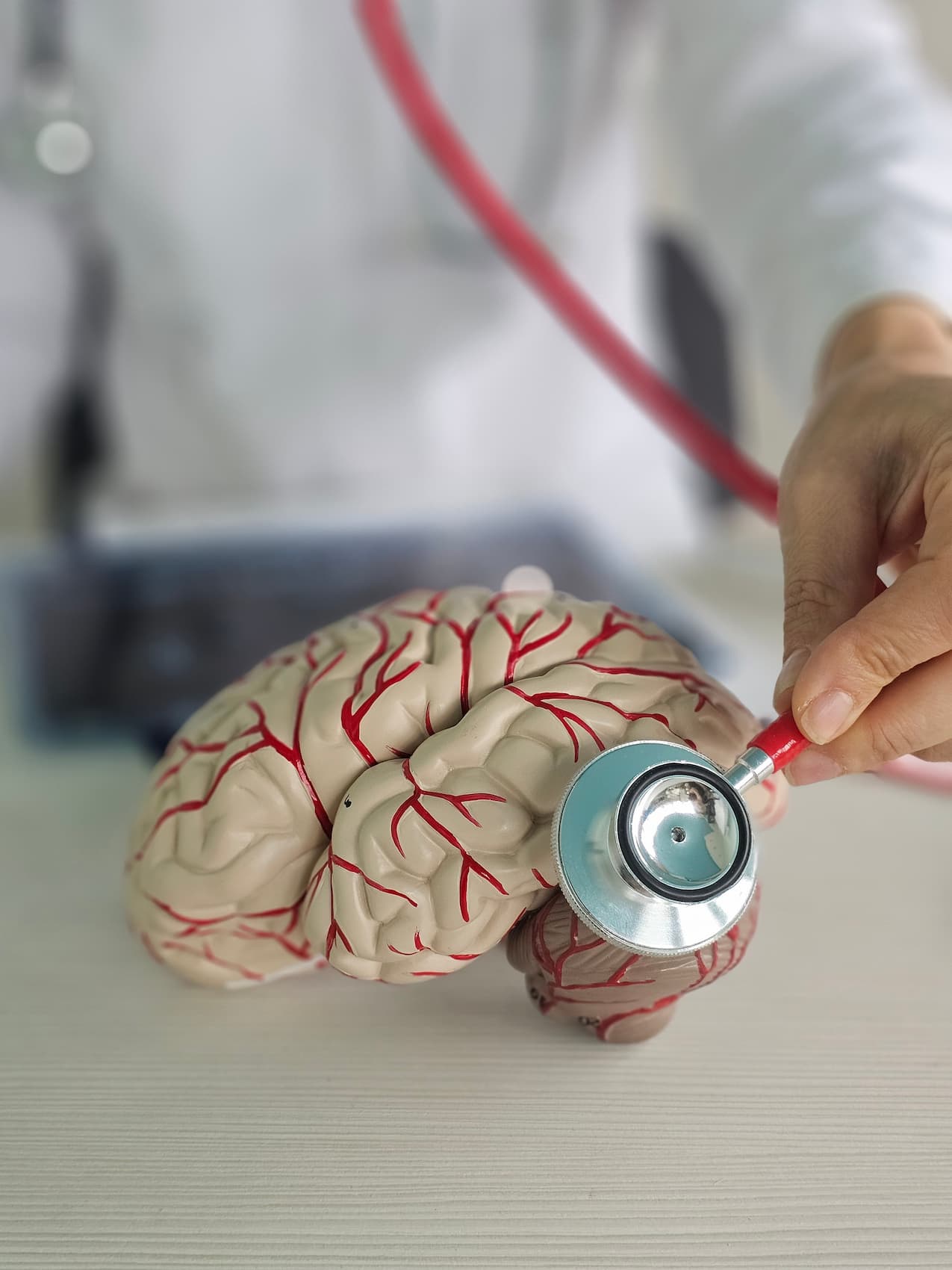
Symptoms and Conditions That May Respond Well to Neurofeedback
Neurofeedback is commonly used to support people dealing with a wide range of brain-based concerns. Each person’s experience is unique, and the best outcomes often come from matching brain training to individual patterns and goals. Some people notice improvement in how they think and concentrate, while others are seeking better sleep, calmer mood, or improved stress resilience.
It may be considered for symptoms and concerns such as:
Difficulty focusing or staying on task: Some individuals struggle with distractibility, mental restlessness, or inconsistent attention. Neurofeedback may support more stable concentration and executive function.
Anxiety and chronic stress: When the nervous system remains in a heightened state, people may feel tense, overwhelmed, or unable to unwind. Neurofeedback is used to support a calmer, more regulated stress response.
Sleep challenges: Trouble falling asleep, staying asleep, or waking refreshed may be linked to dysregulated brain activity. Brain training encourages patterns that are more conducive to restorative sleep.
Mood concerns: Low motivation, irritability, and emotional instability may improve when brain regulation improves. Neurofeedback is often part of a broader plan for emotional wellness.
Headaches and migraine support: Some patients seek neurofeedback as part of a comprehensive approach to recurring headaches or migraine-related symptoms.
Post-concussion or brain fog concerns: People recovering from head injuries or living with sluggish mental clarity may explore neurofeedback to support cognitive function.
Behavioral regulation: Children and adults who have difficulty with impulse control, agitation, or sensory overwhelm may benefit from targeted brain training.
Dr. Anderson explains, “The brain is designed to learn. Neurofeedback helps us guide that learning process so the nervous system can work with greater balance and efficiency.”
Because the nervous system influences nearly every system in the body, improved brain regulation may have ripple effects beyond the original symptom. That said, response varies from person to person, and care should always be individualized based on health history, goals, and underlying contributing factors.
What to Expect During a Neurofeedback Clinic Session
A neurofeedback visit is typically calm, comfortable, and non-invasive. Most sessions begin with a brief check-in so your provider understands how you are feeling and whether anything has changed since your last appointment. From there, small sensors are placed on the scalp to measure brainwave activity while you sit quietly.
During the session, you may watch a screen, listen to audio cues, or engage with a training program designed to give the brain feedback in real time. When the brain moves toward the desired pattern, the system responds with reinforcement. Over repeated sessions, the brain learns to repeat those more efficient patterns more consistently.

Session experience may include
A relaxed, seated environment with minimal effort required from you
Sensors that measure brain activity without delivering electrical stimulation
Feedback through sound, visuals, or other cues
Ongoing adjustments based on your response and progress
Most people find the process easy to tolerate. You do not have to “perform” during neurofeedback, and there is no recovery time for most patients after a session. The focus is on helping your brain receive information it can use to self-regulate more effectively.

How Long Does It Take to See Results?
Results from neurofeedback vary depending on the person, the symptoms being addressed, the underlying drivers of those symptoms, and how consistently sessions are completed. Some people notice subtle changes early in care, such as better sleep, improved calm, or greater mental clarity. Others need more time before the benefits become noticeable in daily life.
In general, neurofeedback is a cumulative process. Many care plans involve multiple sessions over several weeks or months, especially when symptoms have been present for a long time. The brain learns through repetition, so consistency is an important part of progress.
It is also important to remember that neurofeedback works best when it is part of a broader clinical strategy. If stress hormones, nutrient status, sleep quality, inflammation, or blood sugar regulation are also affecting the nervous system, those areas may need attention for results to last. That is why individualized care matters so much in functional medicine.
Neurofeedback as Part of a Full Wellness Plan
Neurofeedback is often most effective when it is integrated into a comprehensive wellness strategy. At Dr. Anderson’s practice, brain health is viewed through a whole-body lens, because the brain does not operate in isolation. Digestive function, hormones, immune health, sleep, nutrition, toxins, and chronic stress all influence how well the brain and nervous system function.
This is where a naturopathic and functional medicine approach make a meaningful difference. Rather than focusing on one symptom alone, care may include advanced testing and personalized recommendations designed to uncover contributing factors. The goal is to create a plan that supports both brain regulation and overall resilience.
Depending on your needs, neurofeedback may be paired with:
Nutrition and lifestyle guidance
Sleep support strategies
Stress management and nervous system regulation tools
Hormone or thyroid evaluation
Gut health assessment
Targeted supplementation or detoxification support when appropriate
When brain training is supported by a full-body plan, patients often have a better chance of achieving meaningful, lasting improvements. This approach also allows your provider to adjust the plan as your needs change over time.
Why Choose a Doctor Who Understands Brain Health From Every Angle?
Brain-related symptoms are frustrating, especially when there is not a clear explanation for what is happening. Working with a doctor who understands the full range of brain health helps bring more clarity to the process. At our Schaumburg clinic, Dr. Anderson combines advanced assessment with a whole-body perspective so care is tailored to your unique physiology.
That may include looking deeper into factors that affect the brain: inflammation, nutrient depletion, blood sugar swings, chronic stress, or sleep disruption. It may also involve understanding how your history, environment, and daily habits shape your current symptoms. This broader view helps create a more personalized path forward.
Patients often appreciate having one provider who connects the dots between brain function and whole-body wellness. Neurofeedback becomes even more meaningful when it is delivered within a plan designed for the individual, not just the symptom.

See if Neurofeedback Could Be Right for You
If you are looking for a natural and personalized way to support brain function, then neurofeedback may be worth exploring. It is a gentle, data-informed approach that aligns well with functional and naturopathic care. For many people, a neurofeedback clinic offers a promising path toward better regulation and improved day-to-day wellbeing.
Reach out to our Schaumburg clinic to learn more about Dr. Anderson’s neurofeedback clinic services and find out whether this approach may fit your needs. We are here to help you explore your options with care, clarity, and a plan tailored to your body. If you are ready to take the next step, we invite you to contact us today.
Opening Hours:
Monday 9 a.m.–5p.m.
Tuesday 9 a.m.–5p.m.
Wednesday 9a.m.–5p.m.
Thursday 9a.m.–5p.m.
Friday 9a.m.–5p.m.
Saturday By Appointment
Sunday Closed

© 2026 Dr. Kenton Anderson Inc, all rights reserved. Designed with love by Living Brightside Inc.